A competence management system reduces assessment workload by bringing records, evidence, reminders, and reports into one structured platform. Therefore, teams spend less time managing disconnected files.
This change matters for organisations that assess employees, contractors, or people in safety-critical roles. Because information stays connected, assessors can quickly identify outstanding work and review evidence.
Rail Professional Development Ltd developed Assure CMS to support these processes. The platform helps organisations manage competence, assessments, training, approvals, and compliance evidence online.
As a result, assessors, administrators, and managers gain a clearer view of workforce competence. They can focus on sound decisions instead of avoidable administration.
Why Competence Assessment Creates Hidden Work
Competence assessment helps organisations confirm that people can perform their roles safely and effectively. It also supports compliance, employee development, operational confidence, and client assurance.
For rail organisations, the ORR guidance on rail staff competence explains why competence matters when controlling health and safety risks.
However, the assessment itself represents only part of the total workload. An observation, professional discussion, workplace check, or formal sign-off may sit at the centre.
Behind that activity, several administrative tasks demand attention. Someone must identify upcoming assessments, select the correct standard, gather evidence, and record each outcome.
In addition, teams must track expiry dates, approvals, reassessments, and development actions. Managers, clients, auditors, and compliance teams may need different information from the same records.
Manual processes increase this workload with every person, assessor, location, and competence standard. Therefore, even a dependable spreadsheet can become difficult to control as requirements grow.
Small errors can also create significant delays. For example, an outdated form may force an assessor to repeat work or transfer information later.
Centralising Competence Records and Evidence
A digital platform gives everyone one reliable place to work. Instead of spreading information across inboxes and folders, it connects each record to the right person.
This structure immediately reduces time spent searching for documents. It also helps users confirm whether someone completed, reviewed, approved, or returned an assessment.
For administrators, centralisation means fewer duplicated trackers and manual updates. Meanwhile, assessors can review evidence alongside the standard, previous outcomes, and supporting comments.
Managers also gain access to consistent competence information. Therefore, they no longer need to request several updates before understanding the current position.
Centralisation supports consistency across teams, projects, departments, and client groups. Because everyone follows one controlled process, organisations can apply shared standards more effectively.
Version control becomes simpler as well. Users can follow the current process without checking several folders or asking which template remains valid.
A central record does more than store documents. Instead, it creates useful connections between people, requirements, evidence, decisions, and future actions.
Reducing Manual Chasing and Missed Actions
Manual chasing often consumes a large part of assessment administration. Administrators may repeatedly remind people about evidence, actions, training, approvals, or upcoming assessments.
A competence management system makes responsibilities and due dates more visible. As a result, users can see required actions without waiting for another email.
Managers and assessors can also identify overdue or upcoming work more quickly. Therefore, they can prioritise activity before delays affect compliance or operations.
This visibility reduces dependence on individual memory. It also protects the process when administrators take leave, change roles, or manage competing priorities.
Where appropriate, automated notifications can prompt timely action. These reminders help teams follow up renewals, assessment windows, and incomplete records more consistently.
However, notifications should support clear ownership rather than replace it. Organisations still need agreed responsibilities and sensible escalation routes for outstanding work.
Fewer missed actions create benefits beyond saved time. In safety-critical settings, an overlooked expiry could affect work allocation, assurance, or operational readiness.
Making Assessment Evidence Easier to Manage
Clear evidence supports every reliable competence decision. Without it, organisations may struggle to explain why an assessor confirmed competence or requested further development.
However, manual evidence management often creates confusion. Files may carry unclear names, sit in the wrong folder, or arrive through several communication channels.
A structured system links evidence directly to the relevant assessment or standard. Therefore, assessors can see what someone submitted and how it supports each requirement.
Employees also receive a clearer route for providing information. In addition, administrators can identify missing items without searching through long email chains.
This connected approach creates a stronger audit trail. Managers can review the evidence considered, the outcome recorded, and any development action that followed.
During an audit, teams can retrieve supporting records more efficiently. As a result, they spend less time rebuilding evidence and more time explaining their controls.
Consistent evidence handling also reduces uncertainty. Everyone knows where records belong, who should review them, and which assessment they support.
Standardising Assessments Without Removing Judgement
Different assessors may naturally describe observations or decisions differently. However, inconsistent forms and processes can leave gaps that someone must correct later.
A competence management system guides users through required fields, evidence sections, comments, outcomes, and approvals. Therefore, it encourages complete records across the organisation.
Standardisation does not remove professional judgement. Instead, it gives assessors a dependable framework for explaining how they reached each decision.
Clearer forms can also reduce follow-up questions. Because the system prompts essential information, administrators spend less time requesting missing dates, comments, evidence, or signatures.
In addition, consistent records make internal quality checks easier. Verifiers and managers can compare assessments more confidently when each record follows the same broad structure.
Reliable information can then support wider improvements. For example, repeated development needs may reveal a training requirement across one role or location.
The strongest approach balances consistency with flexibility. Assessors need enough structure to create reliable records without losing space for relevant professional observations.
Giving Managers a Live View of Competence
Managers often need quick answers to important questions. They may ask who remains competent, who needs reassessment, and where current gaps could affect delivery.
With manual tracking, each question can trigger another spreadsheet update. Consequently, the information may already be outdated when the manager receives it.
A competence management system provides a live view of the organisation’s position. Dashboards and reports can highlight upcoming requirements, overdue activity, competence gaps, and completed work.
Therefore, managers can use current information without asking administrators to rebuild the picture. This benefit becomes especially valuable across multiple teams, sites, roles, or contracts.
Better visibility also supports planning. Because leaders can identify future requirements earlier, they can arrange assessments before availability becomes a problem.
In addition, clear reporting helps organisations share appropriate information with clients and compliance teams. Users can access relevant detail without exposing unrelated records.
Good reporting should answer practical questions rather than create more data. Consequently, organisations should design reports around decisions, risks, responsibilities, and required actions.
Supporting Smoother Onboarding and Role Changes
Assessment workload increases when employees or contractors join an organisation. Similar challenges appear when existing employees move roles or gain further responsibilities.
Without a structured process, onboarding can involve a long chain of manual checks. Teams must identify standards, evidence, training, permissions, and assessment needs.
A digital system helps organise these requirements from the beginning. Therefore, administrators can assign the correct role, standards, and expectations through one controlled process.
Records also remain connected when responsibilities change. As a result, managers can identify which existing competences still apply and which new assessments someone needs.
This structure reduces rushed data entry later. In addition, it gives new starters a clearer understanding of their responsibilities and development pathway.
Managers can monitor progress without relying on separate checklists. Because the information stays visible, delays and missing requirements become easier to identify.
Structured onboarding also improves the quality of future reporting. Each person begins with a clearer record, which reduces corrections throughout their employment.
Improving Audit Readiness Throughout the Year
Audit preparation can place sudden pressure on operational and administrative teams. People may search folders, check spreadsheets, download records, confirm approvals, and trace missing evidence.
However, strong audit readiness should come from everyday processes. A competence management system keeps records structured and accessible throughout the year.
Therefore, organisations can demonstrate their approach without rebuilding the evidence trail before every review. Comments, evidence, outcomes, approvals, and actions remain connected.
This approach also improves confidence in the information presented. Because users follow a consistent process, managers can identify gaps before an auditor or client finds them.
In addition, central reporting helps organisations answer specific questions more quickly. Teams can focus on explaining their controls instead of gathering scattered documents.
Better audit readiness does more than reduce workload. It shows that competence management forms part of normal operations, rather than a last-minute compliance exercise.
An organised system cannot guarantee a successful audit by itself. However, it can make evidence easier to retrieve, review, and explain.
Strengthening Quality Assurance and Ownership
Assessment administration does not finish when an assessor records an outcome. Organisations may also require verification, management approval, feedback, or corrective action.
Disconnected processes can make these stages difficult to follow. Consequently, records may remain incomplete while each person assumes someone else owns the next step.
A structured workflow makes responsibility clearer. Assessors, verifiers, administrators, and managers can see which stage each record has reached.
In addition, comments and responses remain alongside the assessment. This connection reduces separate email chains and creates a more transparent quality process.
Managers can also identify recurring issues across assessments. For example, missing evidence or inconsistent comments may suggest that assessors need further guidance.
Quality assurance then becomes part of continuous improvement. Instead of correcting isolated records, organisations can strengthen templates, instructions, training, and wider controls.
Clear ownership keeps this process moving. Therefore, every workflow should define who reviews records, who completes actions, and how unresolved issues escalate.
Using Better Information to Plan Resources
Competence data supports more than compliance reporting. It can also help managers plan assessment activity, workforce availability, and development resources.
For example, a report may show several reassessments due within the same month. Managers can then balance assessor capacity before deadlines become difficult.
Similarly, competence gaps may affect deployment across a project or location. Earlier visibility gives teams more time to arrange training, evidence collection, or supervised experience.
Historic information can reveal demand patterns as well. As a result, organisations can understand which standards generate the most activity or require frequent development.
This evidence supports better prioritisation. Instead of reacting to individual requests, managers can organise resources around upcoming risks and operational needs.
However, useful planning depends on reliable records. Teams must maintain accurate dates, outcomes, and responsibilities if they expect reporting to guide decisions.
How Assure CMS Helps Reduce Assessment Administration
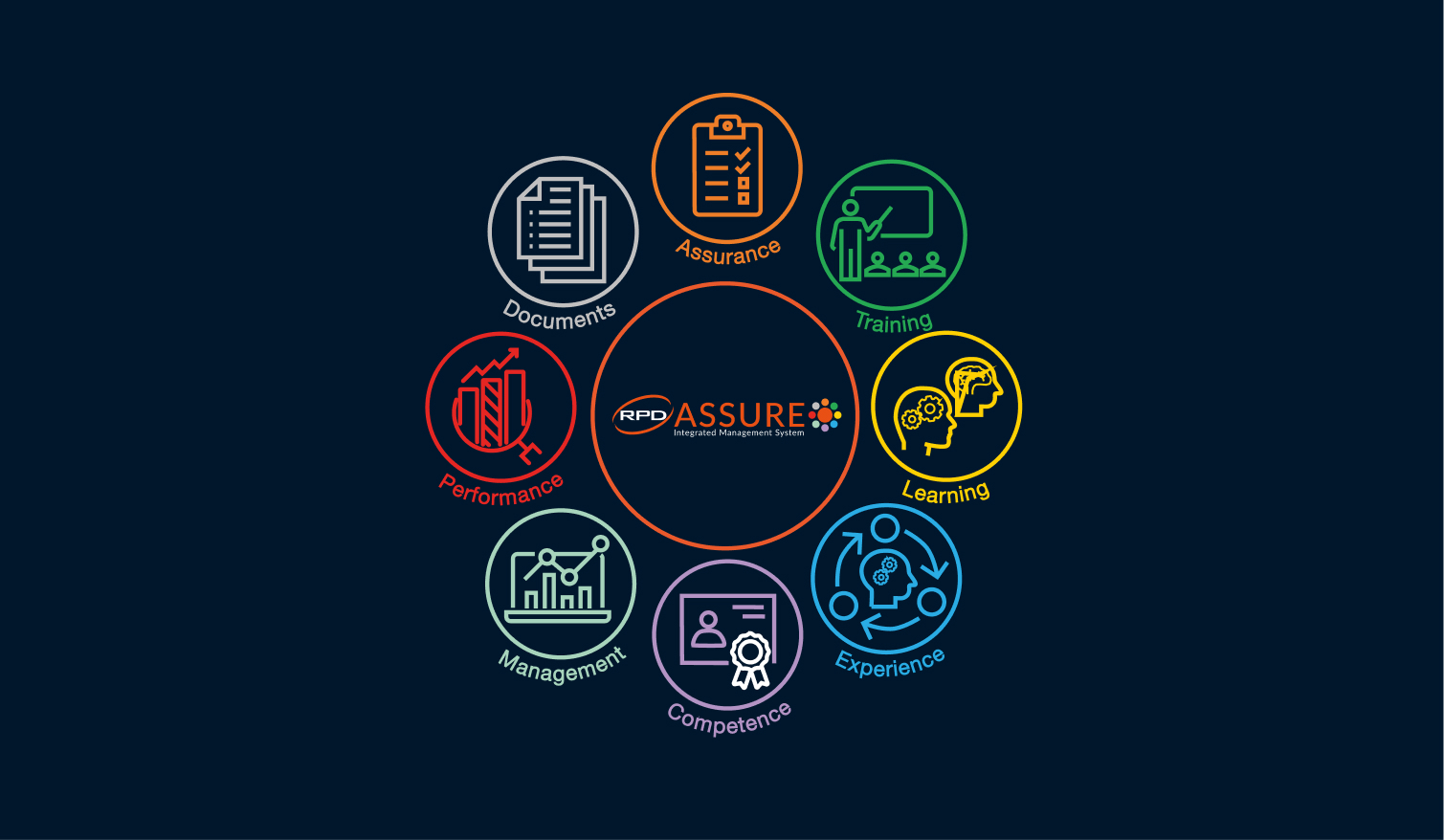
RPD’s Assure CMS/LMS brings competence information, assessment activity, evidence, approvals, and reporting into one secure online portal.
Assessors gain a structured way to record decisions and review evidence. Meanwhile, administrators can monitor outstanding actions, and managers can view wider competence trends.
The platform also supports clearer ownership. Because actions remain visible, users can understand what they need to complete and when.
In addition, organisations can replace several disconnected processes with one consistent approach. This change reduces duplicated data entry and improves confidence in the latest record.
Assure CMS does not replace capable assessors or effective management. Instead, it supports their work by removing unnecessary friction around each assessment.
Therefore, organisations can direct more time towards coaching, development, quality assurance, and meaningful competence decisions.
The platform can support different sectors and operating structures. However, each organisation should configure its processes around relevant standards, responsibilities, and assurance needs.
Final Thoughts
Competence assessment will always require experience, communication, and professional judgement. However, supporting administration does not need to dominate the process.
A competence management system reduces workload by centralising records, improving evidence management, and making actions easier to track. It also supports more consistent assessment records.
As a result, assessors spend less time searching for information or correcting incomplete forms. Administrators face less chasing, while managers receive clearer and more current information.
For growing, regulated, or safety-critical organisations, a digital system offers more than organised storage. It provides a practical framework for managing competence consistently.
Assure CMS helps organisations move away from fragmented manual processes. Therefore, teams can spend less time controlling paperwork and more time supporting capable people.